

What is the relationship between a heater motor magnet and the air flow in a heater?
As a heater motor magnet supplier, I've witnessed firsthand the intricate relationship between heater motor magnets and the air flow in a heater. This relationship is not only fundamental to the proper functioning of heaters but also impacts the overall efficiency and performance of heating systems. In this blog, I'll delve into the science behind this relationship, exploring how heater motor magnets influence air flow and why they are crucial components in heater applications.
The Basics of Heater Motor Operation
Before we dive into the relationship between heater motor magnets and air flow, it's essential to understand how a heater motor works. A heater motor is an electric motor that powers the blower fan in a heating system. The blower fan is responsible for drawing in air from the surroundings, passing it over a heating element, and then distributing the warm air throughout the space.
The operation of a heater motor is based on the principles of electromagnetism. Inside the motor, there are two main components: the stator and the rotor. The stator is the stationary part of the motor, which contains a series of coils of wire. When an electric current is passed through these coils, they create a magnetic field. The rotor, on the other hand, is the rotating part of the motor, which is typically made of a ferromagnetic material. The rotor is placed inside the magnetic field created by the stator, and the interaction between the magnetic fields causes the rotor to rotate.
The Role of Heater Motor Magnets
Heater motor magnets play a crucial role in the operation of the heater motor. These magnets are typically permanent magnets, which means they have a constant magnetic field. The magnets are usually placed on the rotor of the motor, and they interact with the magnetic field created by the stator to produce the rotational force that drives the blower fan.
The strength and configuration of the heater motor magnets have a significant impact on the performance of the motor. A stronger magnetic field will result in a more powerful rotational force, which means the blower fan will be able to move more air. This, in turn, will lead to better air flow and more efficient heating. Additionally, the configuration of the magnets can affect the speed and torque of the motor, which can also impact the air flow.
How Heater Motor Magnets Affect Air Flow
The relationship between heater motor magnets and air flow can be understood by considering the following factors:
1. Magnetic Field Strength
As mentioned earlier, the strength of the magnetic field produced by the heater motor magnets directly affects the rotational force of the motor. A stronger magnetic field will result in a more powerful motor, which can drive the blower fan at a higher speed. This increased speed allows the blower fan to move more air, resulting in improved air flow.
For example, if a heater motor is equipped with weak magnets, the motor may not be able to generate enough rotational force to drive the blower fan at an optimal speed. As a result, the air flow will be reduced, and the heating system may not be able to provide sufficient warmth. On the other hand, if the heater motor is equipped with strong magnets, the motor will be able to generate a powerful rotational force, allowing the blower fan to move a larger volume of air. This will result in better air flow and more efficient heating.
2. Magnet Configuration
The configuration of the heater motor magnets can also affect the air flow. The magnets are typically arranged in a specific pattern on the rotor to optimize the interaction between the magnetic fields. Different magnet configurations can result in different levels of torque and speed, which can impact the performance of the blower fan.
For instance, a magnet configuration that produces a high torque at low speeds may be suitable for applications where a large amount of air needs to be moved at a relatively slow speed. On the other hand, a magnet configuration that produces a high speed at low torque may be more appropriate for applications where a smaller amount of air needs to be moved quickly. By choosing the right magnet configuration, the heater motor can be optimized for the specific air flow requirements of the heating system.
3. Motor Efficiency
The efficiency of the heater motor is another important factor that affects the air flow. A more efficient motor will be able to convert a higher percentage of the electrical energy into mechanical energy, which means it will be able to drive the blower fan more effectively. This will result in improved air flow and reduced energy consumption.
Heater motor magnets play a crucial role in determining the efficiency of the motor. By using high-quality magnets with a strong magnetic field, the motor can operate more efficiently, reducing the amount of energy required to drive the blower fan. This not only saves energy but also reduces the operating costs of the heating system.
Types of Heater Motor Magnets
There are several types of heater motor magnets available on the market, each with its own unique properties and advantages. Some of the most common types of heater motor magnets include:
1. Neodymium Magnets
Neodymium magnets are the strongest type of permanent magnets available. They are made from an alloy of neodymium, iron, and boron, and they have a very high magnetic field strength. Neodymium magnets are commonly used in heater motors because they can provide a powerful rotational force, resulting in improved air flow and more efficient heating.
2. Ferrite Magnets
Ferrite magnets are made from a ceramic material that contains iron oxide and other elements. They are less expensive than neodymium magnets but have a lower magnetic field strength. Ferrite magnets are often used in applications where cost is a major consideration, such as in some residential heating systems.
3. Samarium Cobalt Magnets
Samarium cobalt magnets are another type of permanent magnet that is known for its high magnetic field strength and temperature stability. They are made from an alloy of samarium and cobalt, and they are more expensive than neodymium magnets. Samarium cobalt magnets are commonly used in high-performance heater motors where a strong magnetic field is required at high temperatures.
Applications of Heater Motor Magnets
Heater motor magnets are used in a wide range of applications, including:
1. Automotive Heaters
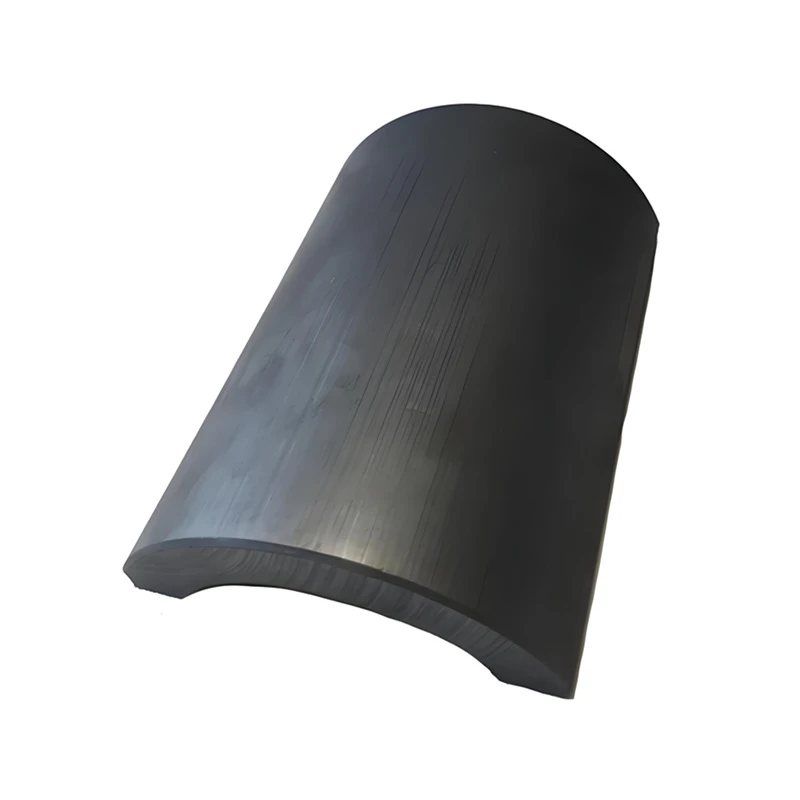
In automotive heaters, heater motor magnets are used to power the blower fan that distributes warm air throughout the vehicle's cabin. The strength and configuration of the magnets can affect the air flow and the efficiency of the heating system. For example, MPV Heater Motor Magnet are designed to meet the specific requirements of MPV vehicles, providing optimal air flow and heating performance.

2. Industrial Heaters
Industrial heaters are used in various industrial applications, such as in factories, warehouses, and commercial buildings. Heater motor magnets are used in these heaters to drive the blower fans that circulate warm air. The choice of magnet type and configuration depends on the specific requirements of the industrial heating system, such as the size of the space, the desired air flow rate, and the operating temperature. Truck Heater Motor Magnet are specifically designed for trucks, ensuring reliable and efficient heating in harsh environments.
3. Residential Heaters
Residential heaters, such as furnaces and space heaters, also use heater motor magnets to power the blower fans. The magnets play a crucial role in providing adequate air flow and ensuring that the warm air is distributed evenly throughout the living space. Bus Heater Motor Magnet are engineered to meet the unique needs of bus heating systems, delivering comfortable heating for passengers.
Conclusion
In conclusion, the relationship between heater motor magnets and the air flow in a heater is a complex but crucial one. Heater motor magnets play a vital role in the operation of the heater motor, influencing the rotational force, speed, and efficiency of the motor. By choosing the right type and configuration of magnets, the air flow in a heater can be optimized, resulting in better heating performance and energy efficiency.
As a heater motor magnet supplier, I understand the importance of providing high-quality magnets that meet the specific requirements of different applications. Whether you're in the automotive, industrial, or residential heating industry, I can offer a wide range of heater motor magnets to suit your needs. If you're interested in learning more about our products or discussing your specific requirements, please don't hesitate to contact me for a procurement discussion.
References
- "Electric Motors and Drives: Fundamentals, Types, and Applications" by Austin Hughes
- "Magnetism and Magnetic Materials" by David Jiles