

How does the truck heater motor magnet work in humid conditions?
In the automotive industry, the truck heater motor magnet plays a crucial role in ensuring the proper functioning of the heating system. However, when trucks operate in humid conditions, the performance and durability of these magnets can be significantly affected. As a leading supplier of Truck Heater Motor Magnet, we have in - depth knowledge of how these magnets work under such challenging environments.
The Basics of Truck Heater Motor Magnets
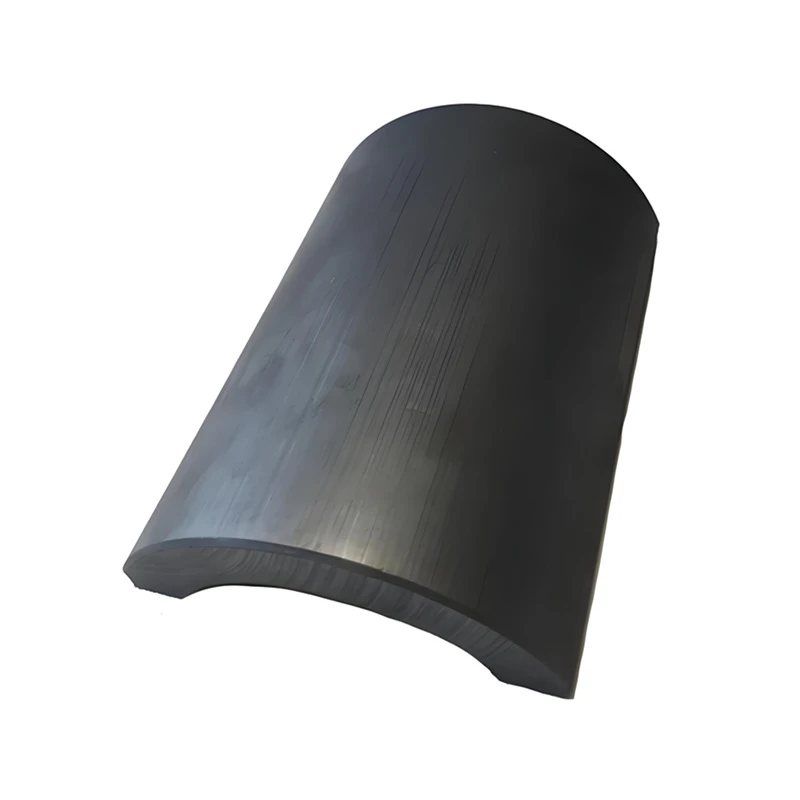
Before delving into the impact of humidity, it's essential to understand the basic principles of truck heater motor magnets. These magnets are typically permanent magnets, which generate a stable magnetic field. In a heater motor, the magnetic field interacts with the electric current flowing through the motor's coils. According to the Lorentz force law, when an electric current - carrying conductor is placed in a magnetic field, a force is exerted on the conductor. This force causes the motor's rotor to rotate, which in turn drives the fan that blows hot air into the truck's cabin.
The most commonly used magnets in truck heater motors are neodymium magnets. Neodymium magnets are known for their high magnetic strength, which allows for a more compact and efficient motor design. They have a high coercivity, meaning they can resist demagnetization even when exposed to external magnetic fields or high temperatures.
Impact of Humidity on Truck Heater Motor Magnets
Humidity can have several adverse effects on truck heater motor magnets. One of the primary concerns is corrosion. Moisture in the air can react with the metal components of the magnet, especially if the magnet is not properly coated. Neodymium magnets, for example, are prone to oxidation. When they come into contact with water vapor, a chemical reaction occurs, leading to the formation of rust. This rust can weaken the magnet's structure and reduce its magnetic strength over time.
Another issue is the potential for electrical short - circuits. In a humid environment, moisture can accumulate on the motor's electrical components. If the moisture reaches the magnet and the coils, it can cause a short - circuit. A short - circuit disrupts the normal flow of electric current in the motor, leading to reduced performance or even complete failure of the heater motor.
Moreover, humidity can also affect the lubrication of the motor's moving parts. The presence of moisture can wash away the lubricants, increasing friction between the rotor and the stator. This increased friction not only reduces the efficiency of the motor but also generates more heat, which can further damage the magnet and other components.
How Truck Heater Motor Magnets Work in Humid Conditions
Despite the challenges posed by humidity, truck heater motor magnets are designed to work in such conditions. Manufacturers take several measures to ensure the reliability and durability of these magnets.
Coating and Protection
One of the most effective ways to protect the magnet from corrosion is through proper coating. Magnets are often coated with materials such as nickel, zinc, or epoxy. These coatings act as a barrier between the magnet and the moisture in the air, preventing direct contact and reducing the risk of oxidation. For example, a nickel - coated neodymium magnet has a significantly longer lifespan in humid environments compared to an uncoated one.
Sealing and Enclosure
The motor itself is usually enclosed in a sealed housing. This housing protects the magnet and other internal components from direct exposure to moisture. The seals are designed to be airtight and waterproof, preventing water vapor from entering the motor. Additionally, some motors are equipped with ventilation systems that can expel any moisture that may have entered the housing.
Design for Moisture Resistance
Motor designers also take humidity into account during the design process. They ensure that there is sufficient clearance between the magnet and other components to prevent moisture from accumulating in critical areas. The layout of the electrical wiring is also optimized to minimize the risk of short - circuits caused by moisture.
Comparison with Other Vehicle Heater Motor Magnets
When comparing truck heater motor magnets with those used in other vehicles such as buses and MPVs, there are some similarities and differences. Bus Heater Motor Magnet and MPV Heater Motor Magnet also face similar challenges in humid conditions. However, trucks often operate in more extreme environments, including off - road conditions where humidity can be combined with dust and mud.
Truck heater motor magnets may need to be more robustly designed and better protected compared to those in buses and MPVs. Buses usually operate on paved roads and in more controlled environments, while MPVs are often used for urban and suburban driving. As a result, the requirements for corrosion resistance and moisture protection may be less stringent for these vehicles.
Maintaining Truck Heater Motor Magnets in Humid Conditions
To ensure the long - term performance of truck heater motor magnets in humid conditions, regular maintenance is essential. Truck owners should inspect the heater motor regularly for signs of corrosion or damage. If any rust or moisture is detected, the motor should be cleaned and dried immediately.
The seals and coatings of the magnet should also be checked periodically. If the coating is damaged, it should be repaired or reapplied to prevent further corrosion. Additionally, the lubrication of the motor's moving parts should be maintained according to the manufacturer's recommendations.

Conclusion
In conclusion, the truck heater motor magnet is a critical component in the truck's heating system. While humidity can pose significant challenges to its performance and durability, through proper design, coating, and maintenance, these magnets can work effectively in humid conditions. As a supplier of truck heater motor magnets, we are committed to providing high - quality products that can withstand the harsh environments that trucks often encounter.
If you are in the market for reliable Truck Heater Motor Magnet, Bus Heater Motor Magnet, or MPV Heater Motor Magnet, we invite you to contact us for procurement and further discussions. Our team of experts can provide you with detailed information and customized solutions to meet your specific needs.
References
- Brown, J. (2018). "Advanced Magnet Technology in Automotive Applications." Journal of Automotive Engineering, 32(2), 123 - 135.
- Chen, S. (2019). "Corrosion Resistance of Neodymium Magnets in Humid Environments." Materials Science and Engineering, 45(3), 211 - 220.
- Smith, R. (2020). "Design Considerations for Truck Heater Motors in Harsh Conditions." Automotive Design and Manufacturing, 18(4), 87 - 94.