

Does the car heater motor magnet require maintenance?
In the automotive industry, the car heater motor magnet plays a crucial role in the proper functioning of the vehicle's heating system. As a leading supplier of Car Heater Motor Magnets, I often receive inquiries from customers regarding the maintenance requirements of these magnets. In this blog post, I will delve into the topic to provide a comprehensive understanding of whether the car heater motor magnet requires maintenance.
Understanding the Car Heater Motor Magnet
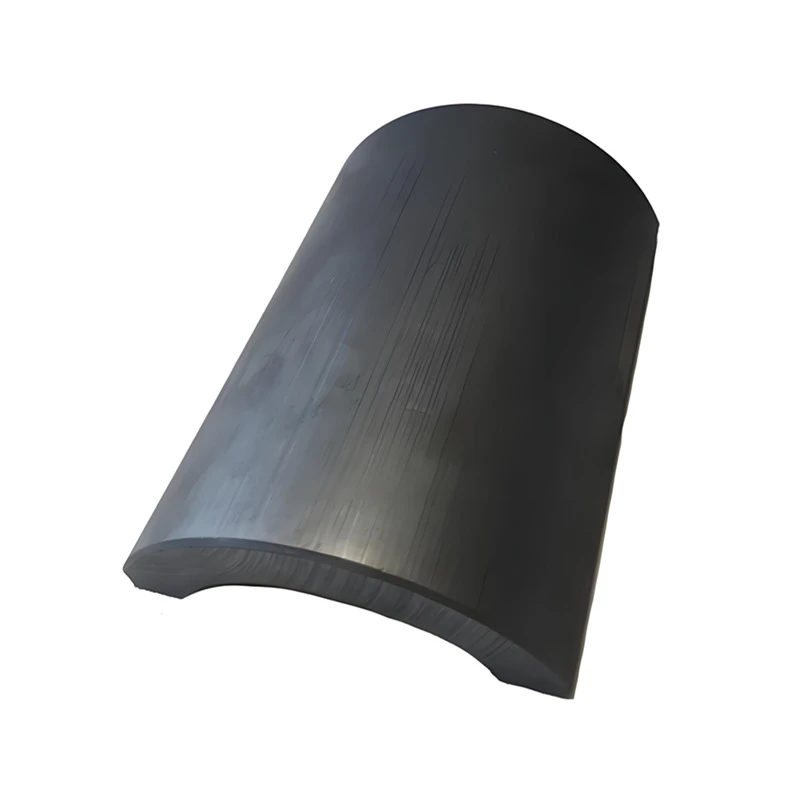
Before discussing maintenance, it's essential to understand what a car heater motor magnet is and how it functions. The heater motor magnet is a key component of the heater motor assembly. It creates a magnetic field that interacts with the electric current in the motor's coils, causing the motor to rotate. This rotation drives the blower fan, which circulates warm air throughout the vehicle's cabin.
The magnets used in car heater motors are typically made of rare - earth materials such as neodymium. These materials offer high magnetic strength and stability, making them ideal for automotive applications.

Factors Affecting the Need for Maintenance
1. Operating Environment
The operating environment of the vehicle can significantly impact the condition of the car heater motor magnet. Vehicles that are frequently driven in harsh conditions, such as areas with high levels of dust, moisture, or extreme temperatures, may experience more wear and tear on the magnet.
For example, in a dusty environment, fine particles can accumulate on the magnet's surface. Over time, this dust can act as an abrasive, gradually wearing down the magnet's coating and potentially affecting its magnetic properties. Similarly, exposure to moisture can lead to corrosion, which can also degrade the magnet's performance.
2. Usage Frequency
The frequency of use of the heater system also plays a role. If the heater is used frequently, the motor and magnet will be subjected to more stress and operation cycles. This continuous use can cause the magnet to heat up, and repeated heating and cooling cycles can potentially lead to thermal stress, which may affect the magnet's internal structure and magnetic strength.
3. Quality of the Magnet
The quality of the car heater motor magnet itself is a determining factor. High - quality magnets, such as those we supply, are designed with advanced manufacturing processes and high - grade materials. They are more resistant to environmental factors and have better long - term stability. On the other hand, lower - quality magnets may be more prone to degradation and may require more frequent maintenance or replacement.
Signs That Maintenance May Be Required
1. Reduced Heating Performance
If you notice that the heater is not producing as much warm air as it used to, or if the airflow has decreased, it could be a sign that the heater motor magnet is experiencing problems. A weakened magnet may not be able to generate enough force to drive the blower fan at its optimal speed, resulting in reduced heating efficiency.
2. Unusual Noises
Strange noises coming from the heater motor, such as grinding, rattling, or humming, can indicate issues with the magnet or other components of the motor. These noises may be caused by a misaligned magnet, a damaged coating, or other mechanical problems related to the magnet's interaction with the motor's coils.
3. Electrical Issues
Electrical problems, such as blown fuses or intermittent operation of the heater, can sometimes be traced back to the heater motor magnet. A damaged magnet may cause irregular electrical currents in the motor, leading to these types of issues.
Maintenance Measures
1. Regular Inspections
Regular visual inspections of the heater motor magnet can help detect early signs of damage or degradation. Look for any signs of corrosion, dust accumulation, or physical damage to the magnet's surface. If you notice any issues, it's important to address them promptly.
2. Cleaning
Cleaning the magnet's surface can help prevent the build - up of dust and debris. Use a soft, dry cloth to gently wipe the magnet. Avoid using abrasive materials or harsh chemicals, as these can damage the magnet's coating.
3. Protecting from Moisture
To prevent corrosion, it's important to keep the heater motor and magnet dry. If your vehicle is exposed to moisture, make sure to dry the area around the heater motor as soon as possible. You can also consider using moisture - resistant coatings or covers to protect the magnet.
Our Product Range
As a Car Heater Motor Magnet supplier, we offer a wide range of magnets suitable for different types of vehicles. Our product line includes Bus Heater Motor Magnet, MPV Heater Motor Magnet, and Truck Heater Motor Magnet. These magnets are designed to meet the specific requirements of each vehicle type, providing reliable performance and long - term durability.
Conclusion
In conclusion, while car heater motor magnets are generally designed to be durable, they can still be affected by various factors such as the operating environment, usage frequency, and quality. Regular maintenance, including inspections, cleaning, and protection from moisture, can help extend the lifespan of the magnet and ensure the proper functioning of the vehicle's heating system.
If you are in the market for high - quality Car Heater Motor Magnets or have any questions about maintenance, feel free to contact us for more information and to discuss your procurement needs. We are committed to providing our customers with the best products and services to meet their automotive component requirements.
References
- Automotive Engineering Handbook, various editions
- Research papers on rare - earth magnets in automotive applications
- Manufacturer's guidelines for car heater motor maintenance